
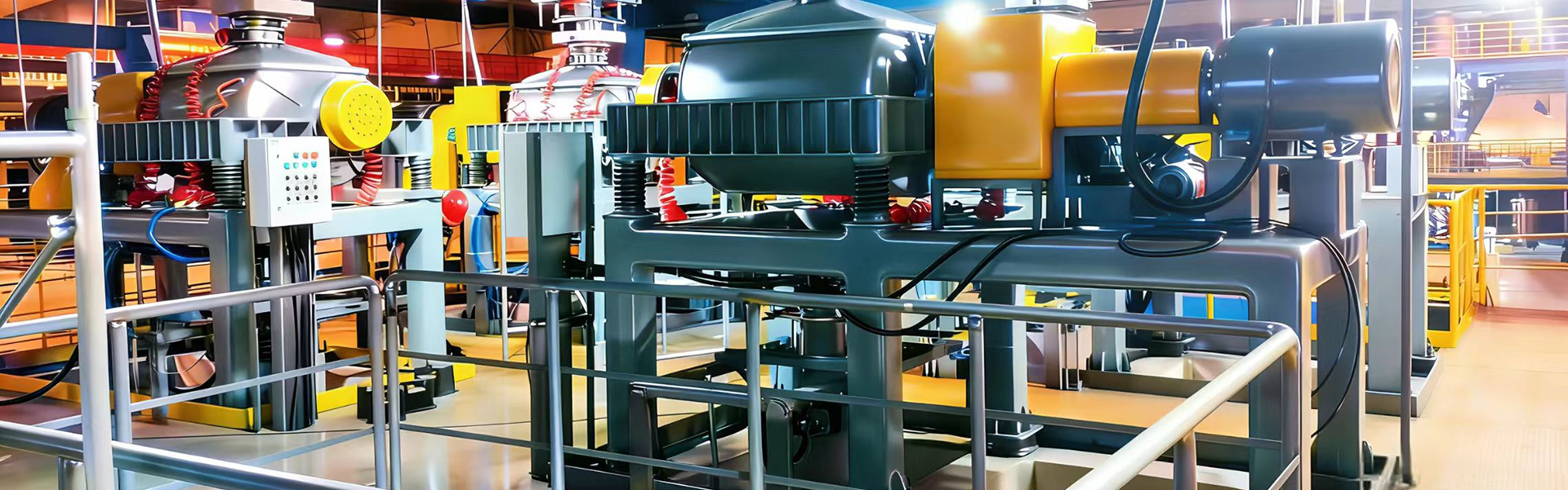
Powder mixers have a wide range of applications. Generally, they are mainly used for the mixing of dry powder and granular materials in industries such as pharmaceuticals, chemicals, food, feed, ceramics, and metallurgy. The whole machine is generally made of stainless steel and uses a V-shaped asymmetrical material cylinder for mixing. This type of mixing usually has no dead corners and is uniform and efficient. The machine has a reasonable structure and is relatively convenient to operate. The material cylinder is made of stainless steel, and the inner wall is relatively bright and easy to clean.
The maintenance matters of powder mixers generally include the following types
Firstly, it is applicable to an ambient temperature range of -5 ° C to 40 ° C and a relative humidity range. 90%, constant temperature is more suitable. It needs to be placed in a well-ventilated, dry and clean location.
At the same time, it is strictly prohibited for minor children to touch this machine without permission to prevent accidents.
The lubrication of its reducer generally adopts oil-immersed type. The oil storage volume must be maintained at the oil gauge line, and the oil quality must be kept clean. If it is used frequently, the new oil must be changed every three months. When replacing, the reducer needs to be disassembled, cleaned and then refilled with new oil.
The electrical control parts of the mixer also need to be kept clean. When problems are found, they should be corrected in time.
At the end of each use or when the machine is shut down, the remaining materials in the V-shaped bucket should be removed and the remaining powder in all parts of the machine should be brushed clean. If the V-type mixer has been out of use for a long time, it is necessary to clean it thoroughly and cover it with a tarpaulin.
When assembling and disassembling the V-shaped bucket, it is necessary to disassemble it gently, install it steadily and place it lightly to avoid deformation and damage.
At the same time, it is necessary to regularly inspect the machine parts, usually 1-2 times a month. The main inspection items are whether the power shaft, transmission, reducer and other moving parts rotate flexibly and their wear conditions. Any defects found should be corrected in time to ensure the normal operation of the mixer.

